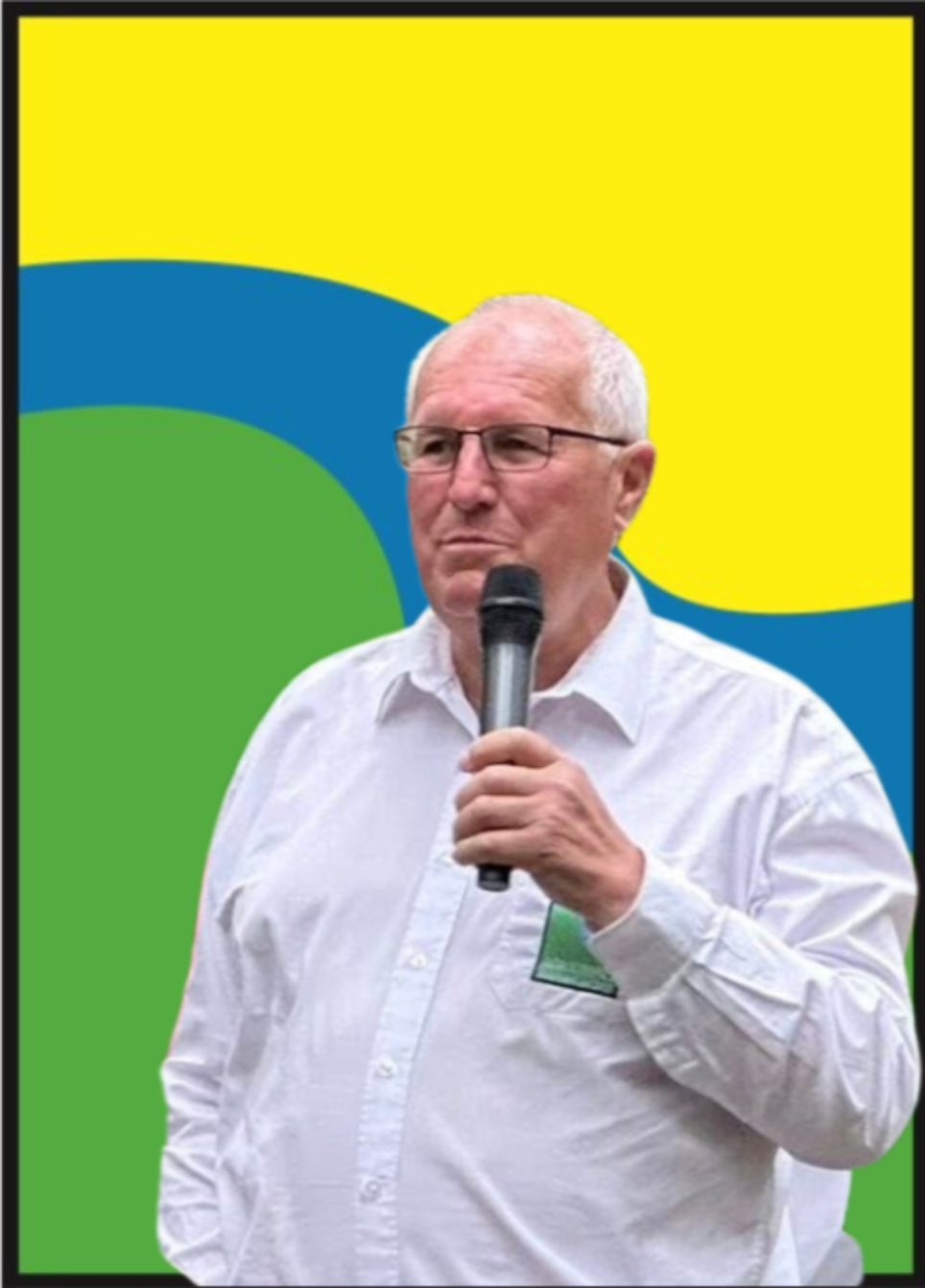
The story of Geroges Krack, the founder of AgroChallenge (formerly AgrOlympics) and one of the founding-father of EUROPEA
Ten years ago (November 2015), the very first vocational competition for agricultural students took place in Luxembourg. This event was held alongside the EUROPEA autumn seminar, both organized under Luxembourg’s presidency of the Council of the European Union.
Where did the idea come from?
At the time, there were no international vocational competitions in the field of agriculture where students could test their practical skills. The goal was to create a competition that focused solely on hands-on tasks—ones that mirrored the real-life work farmers face daily. It was also essential that language skills, particularly English proficiency, would not be a barrier to participation. Everyone should have the opportunity to take part, regardless of their language level.
Organizing the first competition took two years of preparation. It involved extensive negotiations and collaboration with colleagues. Beyond the competition itself, we had to plan for transportation, accommodation, meals, leisure activities, and more.
The competition spanned two days. On the first morning, participants went on an excursion, followed by the first round of competitions in the afternoon. The second day was fully dedicated to the competition. Each team completed all the tasks over the two days, which required many judges. Initially, we planned for one judge per task but eventually decided to assign two judges to each to ensure fairness and reliability.
A detailed schedule was created to manage the flow of the competition. We successfully implemented a system to display team results on a big screen in real time, allowing observers to follow the leaderboard almost instantly. The schedule was followed precisely, thanks to a competition moderator who announced the start and end of each task via microphone. There was a five-minute break between each task. The competition stations were set side by side, enabling spectators to observe multiple tasks at once.
How did the competition get its name?
Originally, the plan was to include ten tasks and name the event “Agridecathlon” or something similar, inspired by the Olympic decathlon. However, as the number of tasks grew beyond ten, the idea of calling it the “AgroOlympics” emerged. Unfortunately, a few years ago, we had to change the name due to restrictions on the use of the word “Olympics,” which is protected by the Olympic movement.
And the logo?
The competition’s logo is simple and meaningful. It features three colours: green, blue, and yellow. Green represents meadow, blue stands for water, and yellow symbolizes rapeseed flowers—elements that are all part of a farmer’s everyday environment.
Would you like to add anything or share a wish?
Looking back, it’s clear that the AgroChallenge (AgrOlympics), which began ten years ago, has become one of the most important events within the EUROPEA network. I sincerely hope that this competition, now a well-established tradition, will continue for many years to
come—and that there will always be people willing to take on the responsibility of organizing it.
Will the competition ever return to Luxembourg?
Yes, definitely! But next time, it will be organized by others. 😊
List of History
AgrOlympics
2015 Luxembourg
2017 Germany
2018 Portugal
2019 Poland
2020 Estonia (cancelled due to COVID)
2021 The Netherlands (cancelled due to COVID)
AgroChallenge
2022 Austria
2023 Slovakia
2024 Estonia
2025 The Netherlands
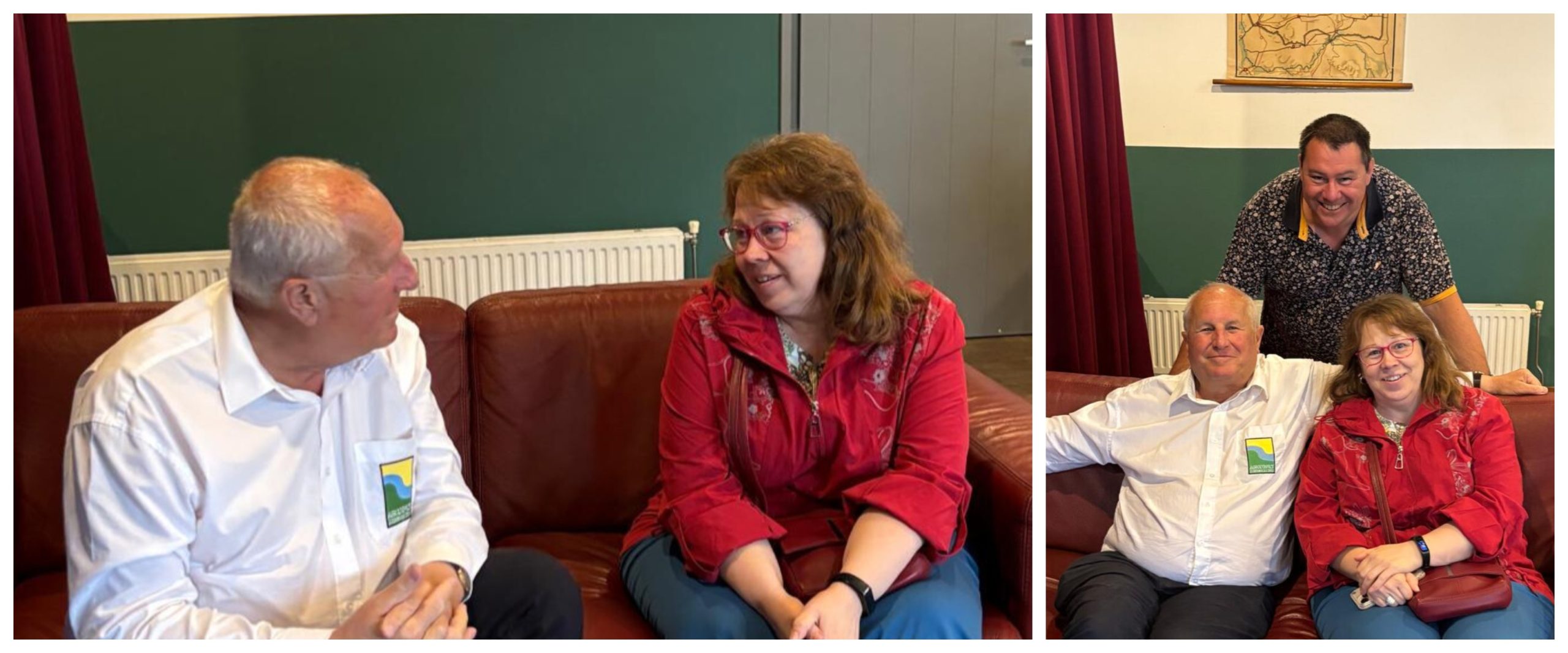
Story told by Georges Krack, fouder of AgroChallenge (AgrOlympics) and founding father of EUROPEA
Written by Katrin Uurman, EUROPEA Editorial Group (EE)
Photographed by Fons Logtenberg, EUROPEA Editorial Group (LU)