Highlighting Excellence: Top 100 Technikums and the innovation drive at the Agricultural Vocational Centre of the Central Hungarian Region
The National Vocational and Adult Education Office in Hungary has released the Top 100 Hungarian Technikum ranking for 2026, offering an inspiring snapshot of the nation’s most successful vocational schools. Built on data from the Office, the ranking evaluates student entry-level competencies, training outcomes, dual-education indicators, teacher capacity, and digital infrastructure. The comprehensive approach provides a clear view of both performance and developmental trends across Hungary’s vocational institutions’ network.
Entry into the Top 100 now requires a median score of 82 points, while schools in the top ten achieve at least 90 out of 100. Notably, the first 100 institutions demonstrate measurable improvement in student entry-level skills and general subject matura results compared to the previous year. Most technikums (79) operate under the management of a vocational training centre, with the rest run by church organizations or higher education institutions. Every Hungarian county hosts a school in the Top 100. Significantly, two schools of the Agricultural Vocational Centre of the Central Hungarian Region (KMASZC), a partner of Europea Hungary, are on the list—a remarkable achievement given that green VET is represented by only seven schools nationwide.
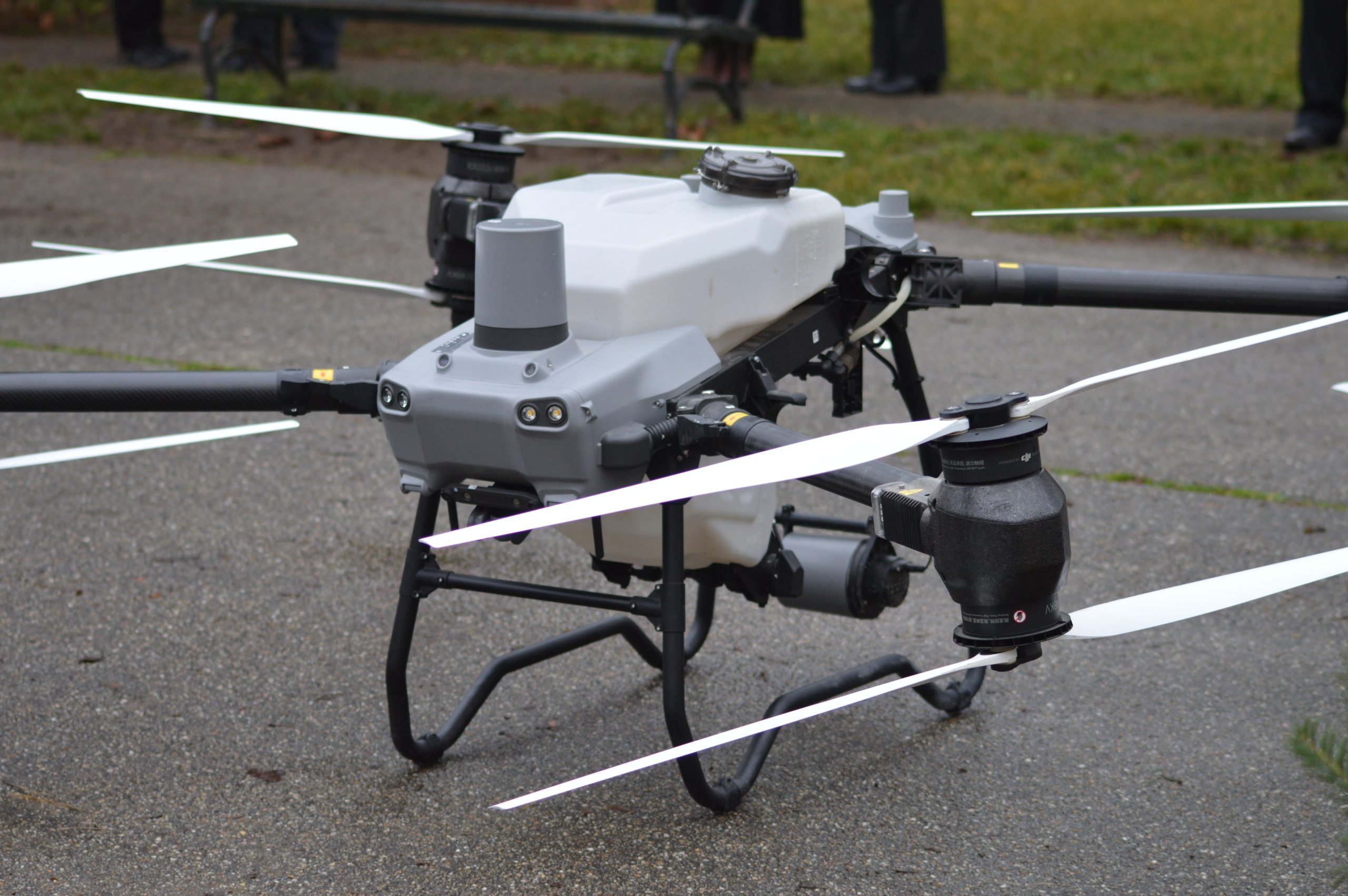
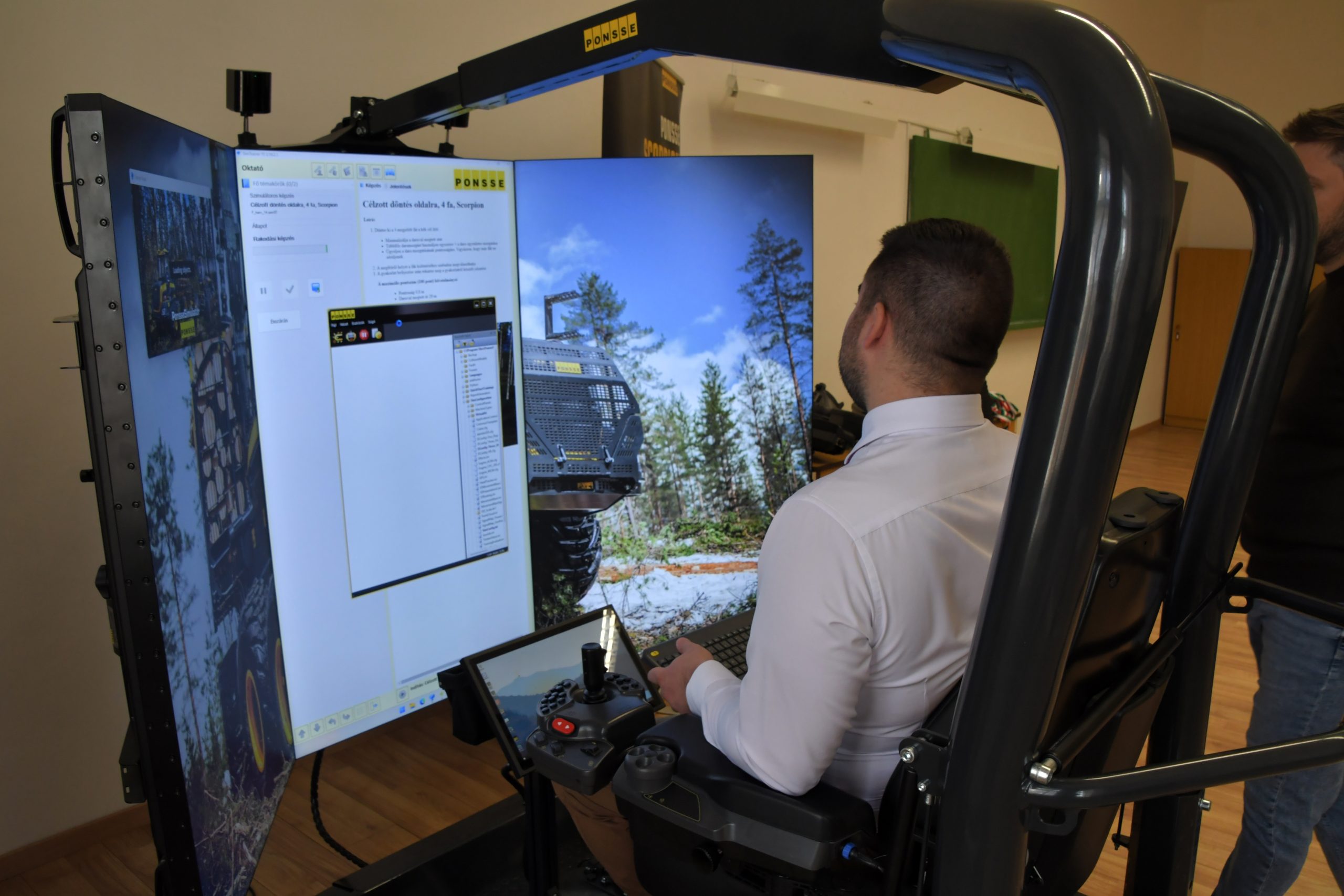
This recognition aligns perfectly with KMASZC’s new project, “Model Farm Programmes at the Agricultural Vocational Centre of the Central Hungarian Region”, implemented across four institutions. Two schools focus on agricultural education, showcasing the latest precision farming technologies. These include carbon farming and soil-regenerative practices, MIN-TILL no-till equipment, ISOBUS-integrated machinery, RTK-guided automatic steering, drone-assisted crop monitoring, variable-rate seeding, and digital yield mapping. Such innovations not only enhance cost-efficiency and environmental sustainability but also create hands-on learning environments that benefit both students and local farmers.
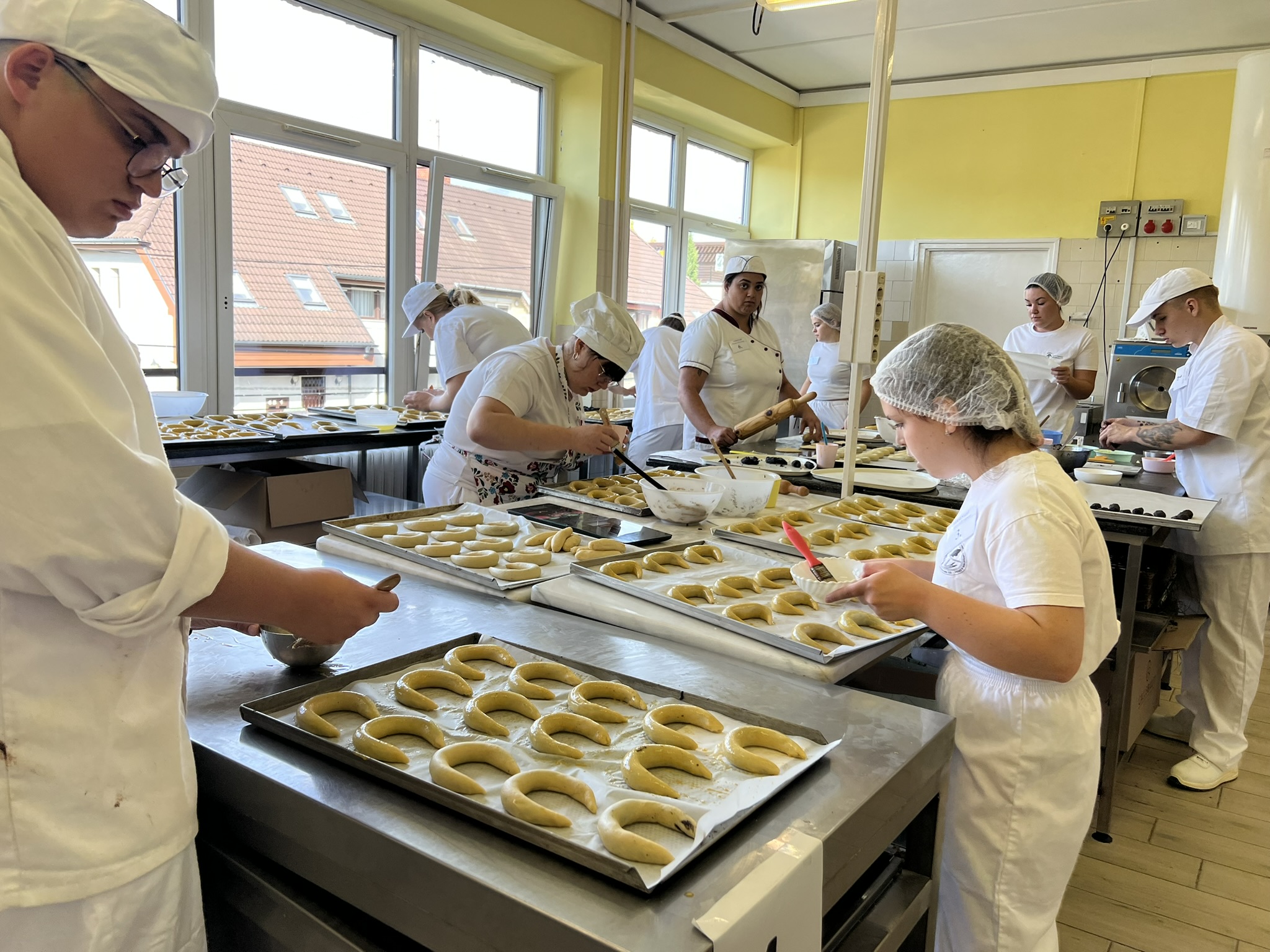
The other two schools specialize in food industry training, emphasizing sustainable resource management, food safety, and product innovation. Digital fermentation and cooling equipment, network-connected laboratory devices, and programmable machinery bring international standards into the classroom, supporting skill development and fostering a culture of responsibility, quality, and customer-oriented thinking.
Together, the Top 100 ranking and the KMASZC demonstration projects underscore a shared vision: high-quality, innovative, and forward-looking vocational education that equips students with real-world skills, strengthens regional economic competitiveness, and sets a benchmark for excellence in Hungarian VET.
EUROPEA Hungary