The centre takes part in BICHOCOMPO, a CSIC citizen science project analysing the tiny inhabitants of biowaste compost
The Integrated Centre for Agricultural Training and Experience (CIFEA) in Jumilla is taking part in BICHOCOMPO, a citizen science initiative coordinated by the Zaidín Experimental Station (EEZ-CSIC) and Composta en Red, with the support of FECYT and the Ministry of Science, Innovation and Universities. Students from 21 schools across Spain are studying compost mesofauna to identify potential bioindicators of its progress and quality.
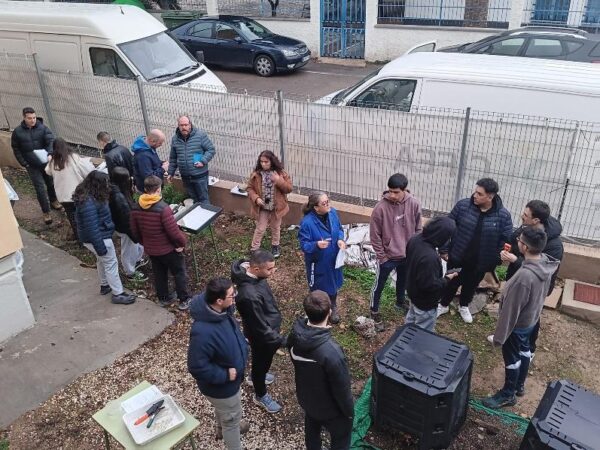
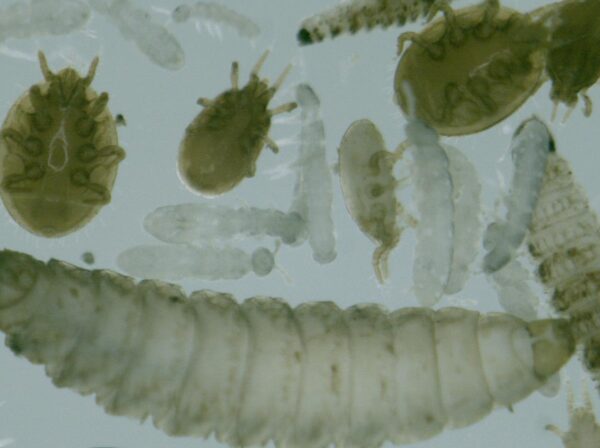
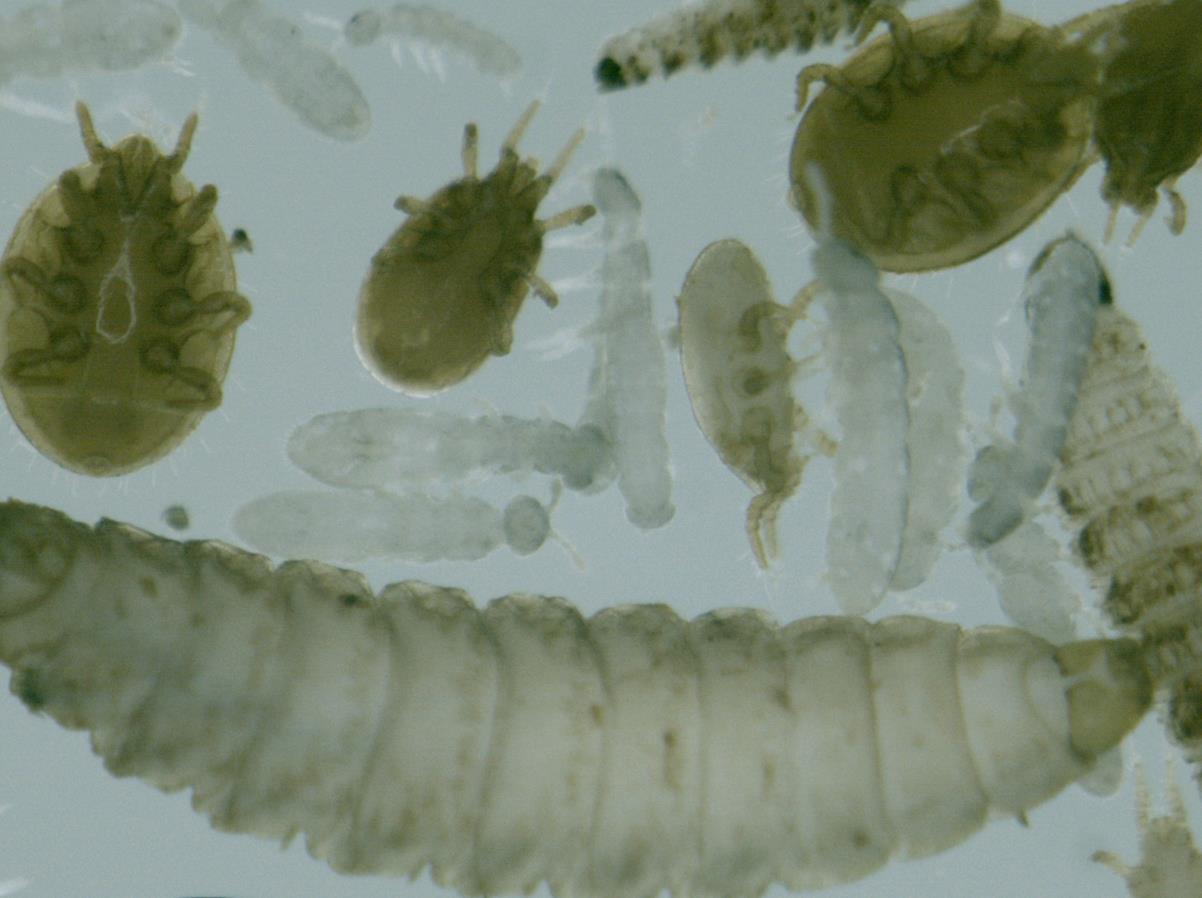
In April 2026, students surveyed the centre’s compost bins using a non-destructive method and found between 1 and 48 macroinvertebrates per sample: pseudoscorpions, mites, earwigs, beetles, woodlice and earthworms. Laboratory analysis at EEZ-CSIC showed a mature (C/N of 15.65), sanitised compost with no Salmonella or E. coli, and 875 mesofauna individuals, mainly springtails, mites and beetle larvae.
The experience has also left its mark in the classroom: 92.9% of students say invertebrates are essential for transforming organic waste. The results are preliminary, but they show that science, education and the circular economy can go hand in hand.
(Text and pics by Gonzalo)